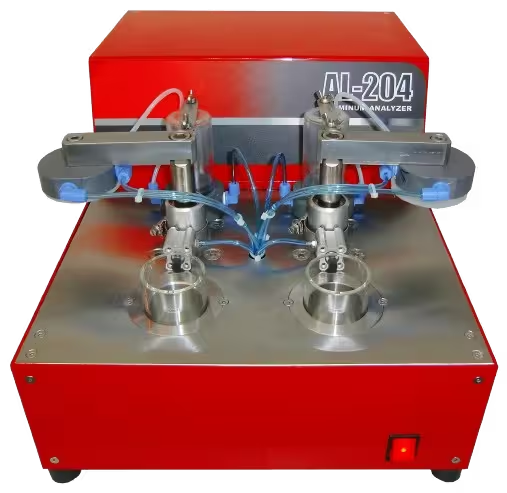
Metallic Aluminum Analyzer
The AL-204 measures metallic aluminum concentration in samples using the gasometric method. A pneumatic piston, peristaltic pump, and closed-loop pressure sensors automate the entire analysis from start to finish. Two independent channels allow simultaneous analysis of two different samples.
Measurement Principle
The sample reacts with sodium hydroxide in a sealed chamber. The H₂ gas pressure that builds up is monitored continuously, and the metallic aluminum percentage is calculated directly. The entire process runs without manual intervention.
Control Software
The AL-204 software handles everything from sample weight entry to calibration optimization in a single interface. All results are stored in a searchable database for future reference.
Applications
Frequently Asked Questions
The sample placed in the crucible reacts with a sodium hydroxide (NaOH) solution, releasing pure H₂ gas. Pressure sensors in the sealed chamber continuously read the rising pressure caused by the accumulated gas and calculate the metallic aluminum percentage directly and with high precision.
The reagent is a sodium hydroxide solution prepared by dissolving 400 g of NaOH in 1 litre of distilled water — approximately 20% w/v concentration. The peristaltic pump doses this reagent automatically on every run; no manual intervention is needed during analysis.
The reaction rate between aluminum and NaOH depends on temperature. The AL-204's built-in heaters bring the sample to a stable 40°C before analysis. This eliminates the influence of seasonal room-temperature variation on pressure readings, delivering consistent results year-round.
The "Leak Test" routine in the software handles this automatically. The instrument closes the piston, pressurizes the system to 1 bar, locks the valves, and monitors for any pressure drop over 5 minutes. It is recommended to confirm leak-tightness before starting a measurement session.
Daily calibration is not mandatory. The software provides both manual and automatic calibration options. Once certified reference standards are measured, updated coefficients can be applied to the system in a single step from the calibration window. Recalibration is recommended whenever the sample type changes or after a prolonged shutdown.
Quote and Information
Reach out to our expert team for pre-sales technical consulting, demo requests, or pricing. Over 25 years of experience at your side.