Home › Products › Sample Preparation › XRF Sample Preparation
Hazırlama & Diğer / Sample Preparation

XRF Sample Preparation

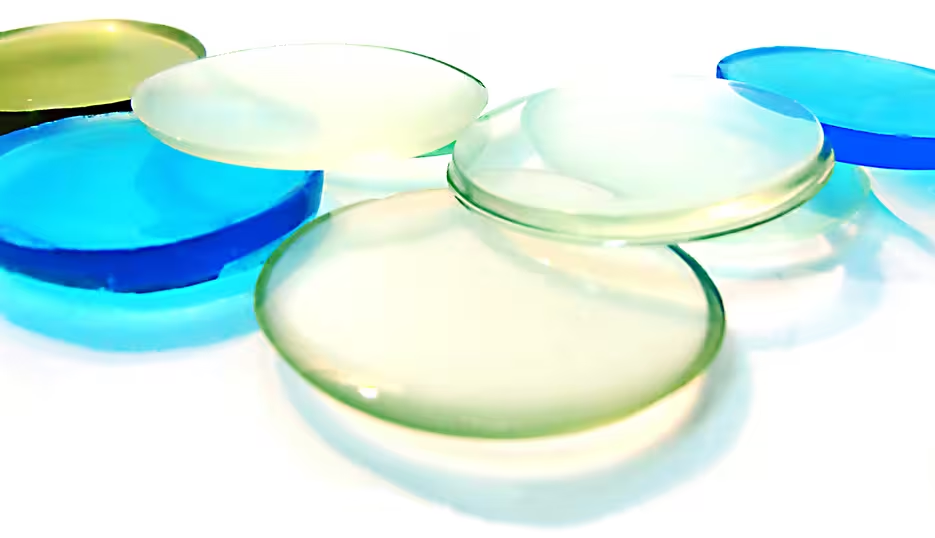
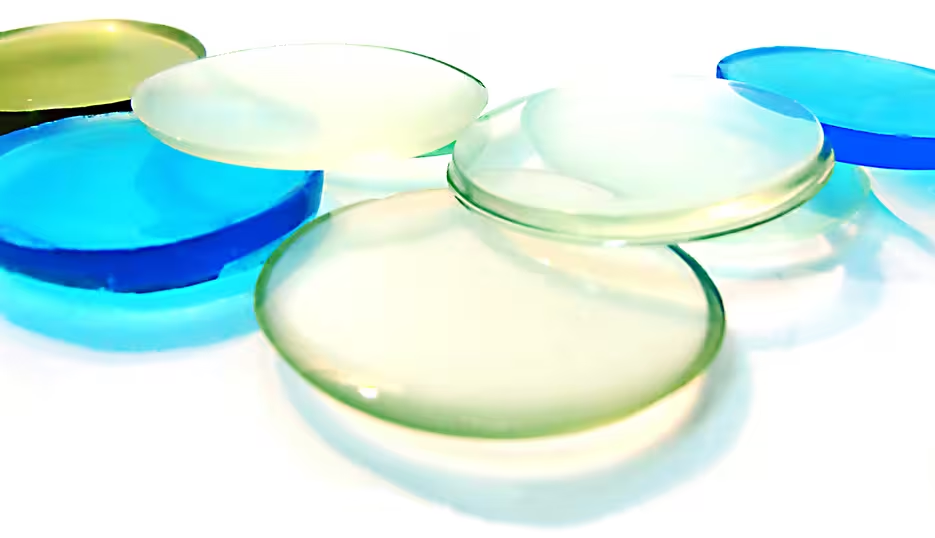
In XRF analysis, measurement accuracy depends heavily on sample homogeneity and surface quality. Raw material is first size-reduced and milled, then either compressed into a pellet or fused into a glass disc. A properly prepared sample lets your XRF spectrometer perform at its full capacity.
Crushing Milling Pelletizing Fusion Equilab Series
XRF Numune Hazırlama Cihazları
XRF Sample Preparation Instruments

Three-Step Sample Preparation for XRF

The XRF sample preparation workflow varies by sample type and required analytical precision. Crushing and milling ensure homogeneity; the final step is a choice between pelletizing or fusion.

🔨
Size Reduction (Crushing)
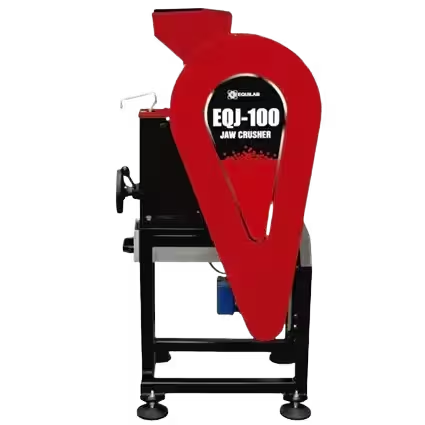
Raw samples typically arrive at 5–50 mm. A jaw crusher (EQJ Series) reduces this to a fraction that the mill can accept. Manganese steel jaws handle hard rocks, slag, and mineral samples effectively. Instrument used: EQJ-100 / EQJ-200
⚙️
Fine Milling
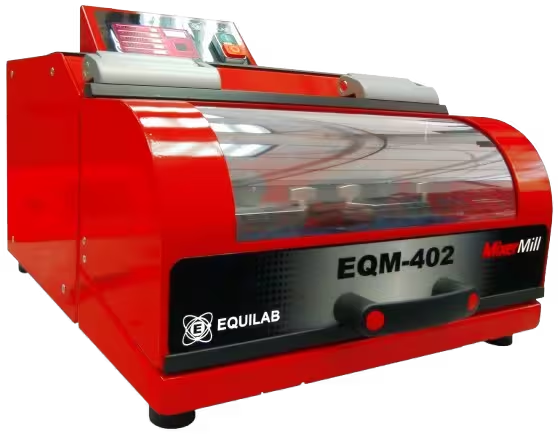
XRF analysis typically requires the sample to be reduced below 45 µm. The ball mill (EQM-402) and ring mill (EQR-200) reach this fineness in 1–4 minutes. The ring mill is preferred for hard and abrasive samples. Instrument used: EQM-402 · EQR-200
🗜️
Pellet Pressing or Glass Disc Fusion
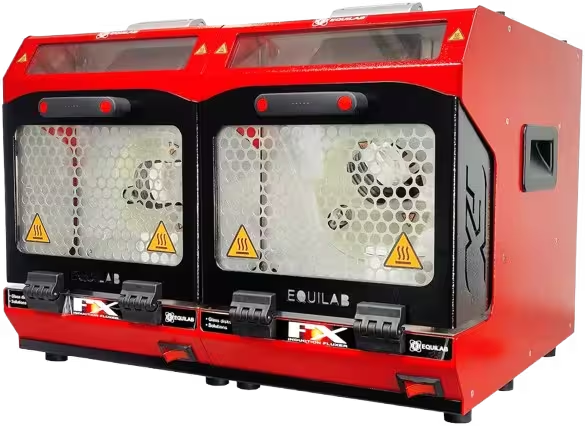
A pellet press (EQP-30 / EQP-110 / EQP-210) compacts the milled powder into a stable disc. When glass disc fusion is required, the FX Series induction fusion instrument dissolves the sample at 1050 °C using Li₂B₄O₇ flux to produce a homogeneous disc. Instrument used: EQP-30 · EQP-110 · EQP-210 · FX Series

XRF Sample Preparation Products

Select one of the products in this subgroup to view its detail page.
Equilab EQJ-100 Jaw Crusher
Equilab
EQJ-100 & EQJ-200

The EQJ-100 and EQJ-200 are jaw crushers designed to prepare hard and brittle samples for secondary grinding. Two models: a compact bench-top unit and a high-capacity industrial crusher.
Primary Size Reduction Anti-Rebound Feed Hopper Manganese Steel Jaws Continuous & Batch Operation
Equilab EQM-402 Ball Mixer Mill
Equilab
EQM-402

The EQM-402 uses horizontal oscillation (up to 32 cycles per second) to drive grinding balls against the sample, achieving sub-10 µm in 1–4 minutes. Two bowls run simultaneously; it reduces fusion time and is the ideal compact benchtop unit for XRF pellet and fusion bead preparation.
Horizontal Oscillation Simultaneous Dual Bowls Dry and Wet Grinding Touchscreen Control 5-Program Memory
Equilab EQP-110 Semi-Automatic Pellet Press
Equilab
EQP-110

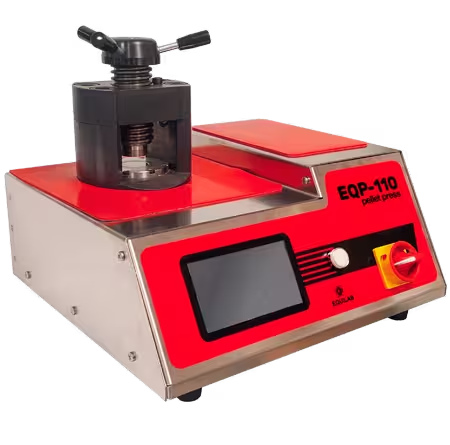
The EQP-110 produces 40 mm pressed pellets for XRF analysis — crack-free and stable. Its double-cycle pressing system removes trapped gases, improving surface flatness. The instrument design physically prevents access to the pressing zone during operation, eliminating the need for a safety door.
Double-Cycle Pressing 40-Ton Max Pressure No Safety Door Required 7" Touchscreen 5-Program Memory
Equilab EQP-210 Semi-Automatic Pellet Press
Equilab
EQP-210

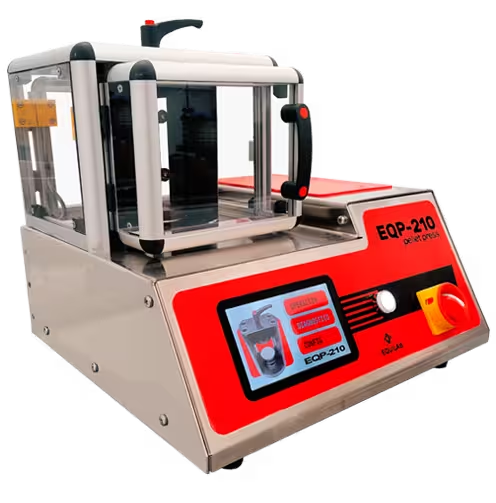
The EQP-210 produces stable, crack-free pellets for XRF and FTIR KBr analysis across a wide die range from 8 mm to 40 mm. The aluminium and polycarbonate safety cabinet with a coded open-door detector ensures full operator safety. Double-cycle pressing purges entrapped gases from each pellet.
Double-Cycle Pressing Aluminium/Polycarbonate Safety Cabinet XRF & FTIR Compatible 8–40 mm Interchangeable Dies CE + UKCA Certified
Equilab EQP-30 Manual Hydraulic Pellet Press
Equilab
EQP-30

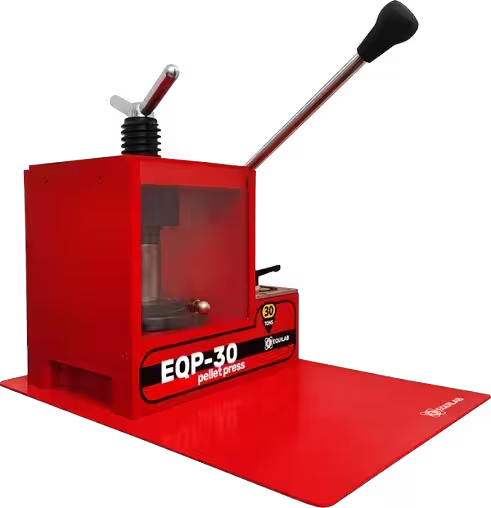
The EQP-30 produces stable pellets for XRF and FTIR KBr analysis at up to 30 tonnes of hydraulic pressure — with no electrical connection required. Its compact benchtop design and two polycarbonate safety guards make it suitable for space-constrained laboratories. An analogue pressure gauge keeps pressure directly visible to the operator.
Manual Hydraulic Operation 30-Tonne Max. Pressure XRF & FTIR Compatible Two Polycarbonate Safety Guards 8–40 mm Interchangeable Dies
Equilab EQR-200 Vibratory Ring Mill
Equilab
EQR-200

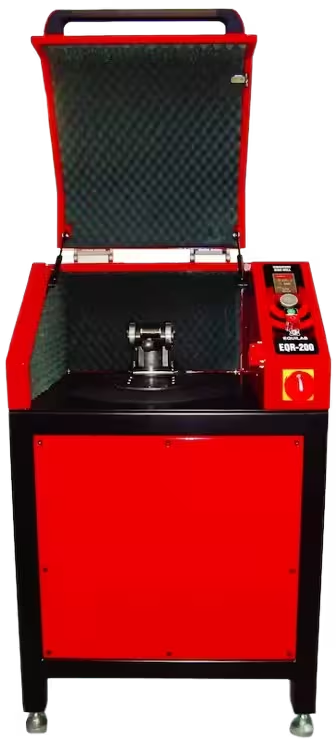
The EQR-200 uses pressure and friction between a ring and puck set to reduce samples to sub-45 µm in under 60 seconds. Its sound-absorbing acoustic enclosure keeps laboratory noise levels low, while the automatic lid interlock prevents access until the motor has fully stopped.
Vibratory Ring Principle Acoustic Enclosure Frequency Inverter Motor 5-Program Memory Automatic Lid Lock
Equilab FX Series Induction Fusion System
Equilab
FX

The Equilab FX Series generates heat directly inside the Pt/Au crucible via electromagnetic induction. With ±1°C optical pyrometer control and 3–11 minute fusion times, it produces homogeneous glass discs for XRF and fully dissolved solutions for ICP/AAS — no external gas, fume hood, or special infrastructure required.

Induction Technology ±1°C Optical Pyrometer XRF + ICP/AAS CE Certified The Fastest and Most Reliable Fusion instrument

Which Industries Use It?

🔬
R&D Laboratories
Explanation for the R&D laboratories subgroup for trial purposes
⛏️
Mining and Minerals
Size optimization for grinding process control and flotation efficiency, and mineral identification.
🏗️
Construction Materials & Cement
Tensile testing of steel reinforcement, concrete compressive strength, and quality control of welded joints.

What You Wonder About

A glass disc is superior in terms of sample homogeneity and elimination of matrix effects. Especially in samples with high silica and alumina content, it achieves precision that pellet preparation cannot match. The pellet method is faster and less costly than fusion; it is preferred for routine quality control and samples with a well-known matrix. The appropriate method depends on sample type and the precision expected from the analysis.

The EQM-402 ball mill provides fast, fine grinding for samples ranging from soft to medium hardness. The EQR-200 ring mill is preferred for hard rocks, slag and mineral samples and also offers advantages in terms of contamination avoidance. Sample hardness (Mohs scale), desired final fineness and contamination tolerance determine model selection. Contact us for a demo or technical consultation.

The EQP-110 is suited for speed-focused routine use with its design that requires no safety door and its 7" touchscreen. The EQP-210 additionally supports FTIR KBr analysis alongside XRF and holds CE + UKCA certification; the wide 8–40 mm die range offers greater flexibility. Both models use a dual-cycle pressing system.

The FX Series most commonly works with lithium tetraborate (Li₂B₄O₇), lithium metaborate (LiBO₂), or mixtures of the two. Flux selection is made according to the oxide composition of the sample. Pre-calcination may be required for samples high in sulphur or carbon. Equilab technical documentation and application notes cover flux recommendations.

Need a Quote?

Contact us for detailed information and pricing options for our instruments. We are here to help with 25 years of experience.